The news of Jane Doe re-opening her 2024 sexual assault case that occurred at Cornell University this week can bring up many different experiences for readers and consumers. The topics in this case and story are heavy. The way this woman’s body and soul was treated at the hands of young men is abhorrent. The messages the young men exchanged with each other on that night in October are shocking and disgraceful. The lack of criminal punishment these men received is deplorable. And yet, these events happen too frequently in our world.
In Canada, 1 in 3 women report experiencing unwanted sexual behaviour in public, and 1 in 4 women have experienced unwanted sexual behaviour in the workplace. It is reported that 4.7 million women in Canada have been sexually assaulted since the age of 15. It impacts our entire population; however, groups of minorities experience higher rates. Members of the 2SLGBTQIA+ community are almost 3x more likely to be physically or sexually assaulted. Indigenous women are 3x more likely to be sexually assaulted than non-Indigenous women. People with disabilities are 2x more likely to be sexually assaulted than those without disabilities. These numbers are too high. The systems and cultural structures our society is built upon do not protect women’s bodies and rights.
These numbers are also underreported. It is highly likely that you or someone you are close to has an experience of sexual violence they’re carrying. The rallying voices that are soaring online right now in support of Jane Doe and women around the world are powerful and necessary. Our media and social media spaces need to be saturated with the outrage people are feeling. It’s important. It’s a way of processing. Women hold the fear in their bodies that this could happen to them. They hold the knowledge that it has happened to them. They hold the helplessness against a culture that doesn’t protect women’s bodies, that sees them as objects, and something for others to take as their own.
As we read the supportive posts and stories online, it can feel validating and comforting to know you’re not alone. There can also be rage, memories of your own violating experiences, or feelings of despair that surface. These are the times to honor where your body is, to take care of it as you're holding the weight of what it means to be a woman or minority in this world. It’s important to pay attention to any signs of burnout, triggers, or activation your body may hold in response to what is being posted.
As I was consuming post after post and reading different news articles, I noticed my posture began to hunch. I felt a tightness in my chest. My brow was furrowed and my breathing was shallow. My fingers kept swiping, though. I kept scrolling, liking, re-posting. Then I paused and noticed my body. I took a deep breath, closed my apps, and stood up. As I focused on what was around me in the present, I began to come back to myself. My breathing steadied, my body felt calmer. I now have awareness of what my limit is. I also recognize the difficulty of holding both – I want to stay engaged and informed, and I want to take care of my body and respect my limits. I imagine this experience resonates with others. Each of us gets to determine what our balance is, and this can take time to understand.
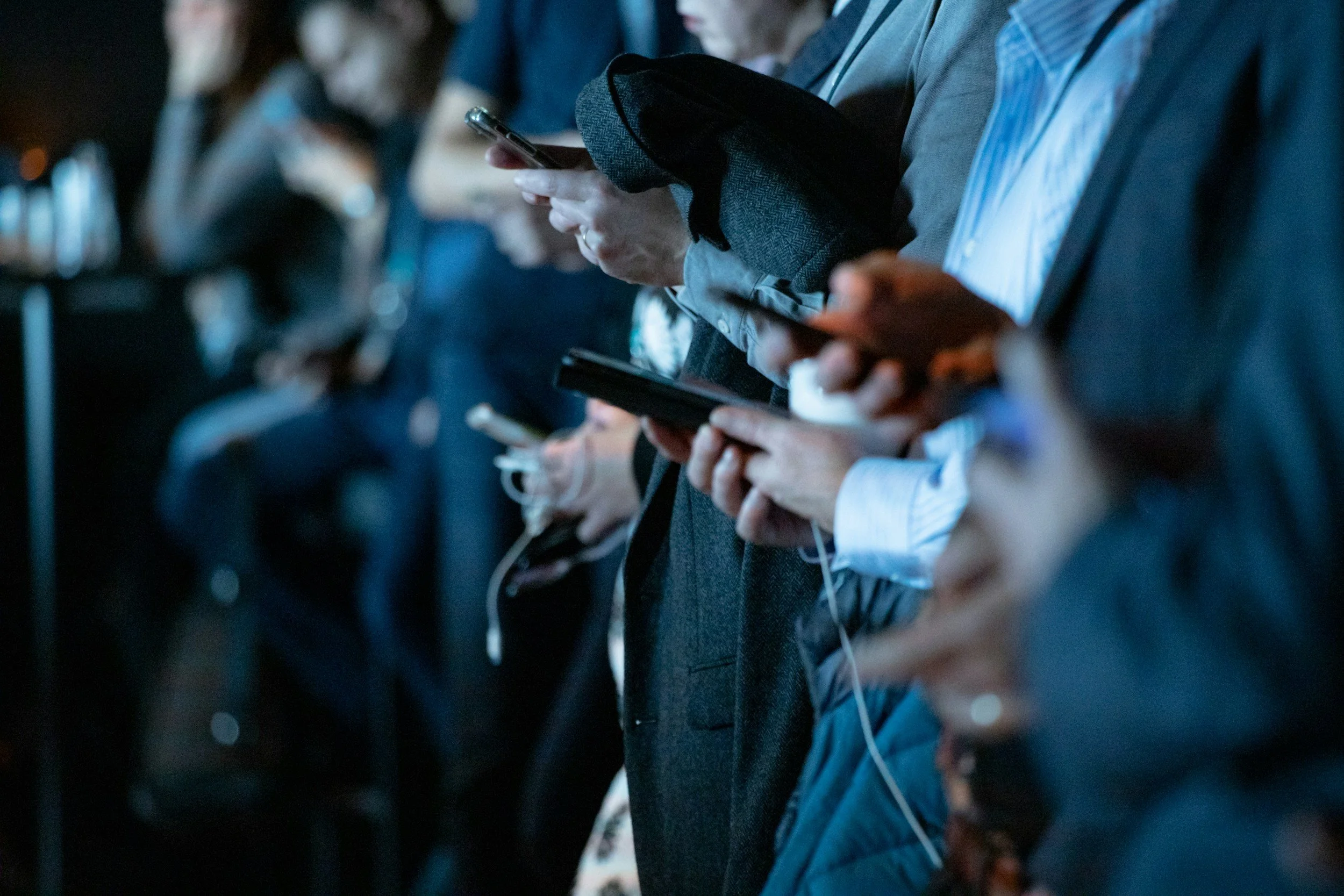
The era of media consumption we are in currently elicits an inundation of information for our brains to process. We can open our phones at any time of the day and see countless videos and posts with a multitude of different content. Our brains are in a constant space of absorption. Whether we are consuming videos about beauty products or sexual assault cases, it’s critical for our wellness that we pay attention to how our body is reacting during this consumption.
Below are some steps to take to check in with yourself while consuming media:
1. Name it. Saying out loud to yourself, “I’ve been scrolling for a while now”, or “I’ve looked at a lot of videos this afternoon”. Naming our experience out loud halts our auto-pilot mode and brings our awareness back to our own experience.
2. Pause and look at something in the room that’s not your phone. You don’t have to close your phone yet. This pause is a chance to start your body check in.
3. Check in with your body. Asking yourself, “what is my body feeling right now?” brings your awareness to your felt experience. In this step, you don’t have to change anything, you’re just noticing.
4. Listen to your body. After your check in, does your body need anything? Does it have capacity to continue engaging online? Or does it need a break?
5. Give your body what it needs. If you still have capacity, you can continue scrolling and engaging. If you need to stand up and move your body, do so. If you need to talk with someone to process what you’ve been consuming, reach out to a safe person.
Keep engaging, keep learning, keep uplifting the voices that are fighting for the safety and respect of all women and minority groups. And check in with yourself, get to know your own capacity, and ensure you’re listening to your own body while you’re fighting for others’.
In Response to Cornell’s Jane Doe: Taking Care of Yourself While Consuming Heavy Media
September 30, 2026