Reflecting on Inside the Manosphere
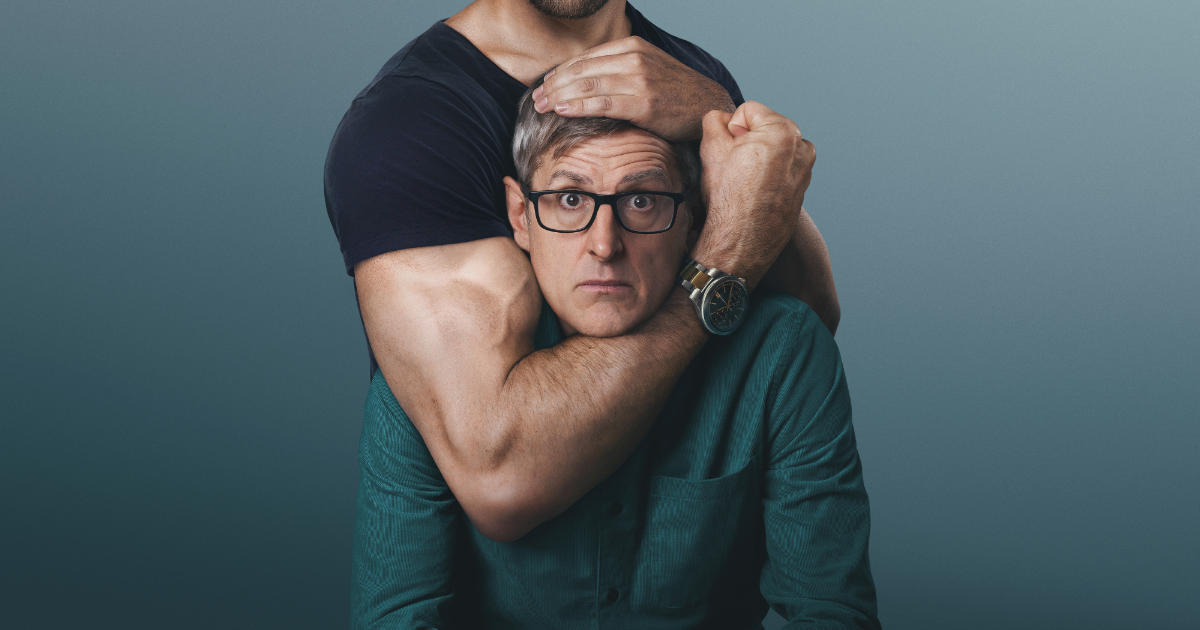
Louis Theroux’s exploration of the manosphere offers a close-up view of this often hidden, yet influential online culture. It highlights how neglect, emotional wounds, and unresolved pain can lead to hyper-masculine and misogynistic beliefs.
While viewing the doc, I felt a sense of rage, disgust, and sadness for the ways in which the manosphere has pierced through the progress that’s been made in our society. It can seem as though progress around gender equality has stalled or even moved backwards.
It’s true that many people already knew about the manosphere and it’s impacts on young men. The doc, however, gives viewers an up-close and unfiltered look at specific men in the culture and how their views are fueling this toxic-masculine rhetoric. Some dismiss the contributions of women entirely, while others promote conspiracy-driven narratives. These messages can be easy to mock or dismiss, but their reach and impact are significant.
Many of the men featured position themselves in opposition to mainstream culture. They describe feeling restricted or disempowered by societal expectations and respond by rejecting more egalitarian values. In doing so, they often promote a narrow definition of success, measuring wealth, control, and dominance.
As I watched these men on my screen, I sat in disbelief at the number of viewers and supporters they have. Young boys look up to them as mentors. They have a circle of supporters around them constantly. Their girlfriends and wives seemingly abide by their gendered, one-sided monogamy lifestyles.
So, what is going on at the centre of all this noise? As Theroux points out, these projections are hiding these men’s historical wounds of neglect, absent fathers, and fears of not measuring up in society. From a psychological perspective, they protect their psyches by spewing hatred of women, certain minority groups, and anyone who’s living within the “Matrix”. They’re putting all their hurt and pain onto external parts of society, leaving them to feel safe, strong, and untouchable – something I’m guessing they’ve craved since they were children.
This is a very human response. When pain feels overwhelming, the mind looks for ways to manage it. All humans are capable of this. The dangerous part of this coping mechanism in the manosphere, though, is the harm and hurt it causes to so many humans. The men in the manosphere are putting many people at risk to avoid acknowledging their own hurt. They may not consciously be aware of this pattern, but it’s how their bodies are making them feel safe.
So, what does this mean for humanity? If every human projected their pain onto other people, our world would reach destruction. Why do the emotional responses of men in the manosphere often manifest as hate and toxicity, while others manage to suppress or process their emotions in ways that are less harmful to those around them?
There are several reasons to consider. The expectations for men to “suck it up” when they’re feeling low continue to be rampant. Many men are still socialized to suppress vulnerability and “push through” difficult emotions. Compared to women, they may be less likely to seek support or talk openly about their struggles. Online communities like the manosphere can offer a sense of belonging and validation which is something many people deeply need, even if the messaging is harmful. The manosphere also promises the results of the idealized man in our Western society. It gives men who may feel lost, alone, and afraid a stable path. One to follow to get the results they’ve been told they should have (a large bank account, endless women, and a strong body).
The power of online culture is also at play. If someone feels low, cheated, or defeated and they come across a video that brings them comfort and hope, it’s likely they’ll watch. And it’s likely they’ll watch another one that’s similar. And then read the comments on those videos and find other people who resonate with the video’s contents. They’ll feel a sense of community. As social creatures, humans crave connection. The manosphere provides this connection at the click of a button. The power it holds over vulnerable people is dangerous. We see the impacts of it in the documentary with men spewing antisemitic views and homophobia and misogyny.
If we have understanding for where this toxic culture is coming from, does that make it okay? No. We can have understanding and empathy, and we can demand a change to the norm when it’s causing so many people harm. We can have understanding that the men in the manosphere are coming from a place of hurt. We can also reject and dispute the misinformation they’re spreading.
This documentary highlights the danger of withholding painful emotions. As humans, we hold discomfort and pain throughout our life. It’s part of the experience of living. People have varying degrees of connection to this pain, however. So, if the pain isn’t felt or acknowledged, where does it go? It remains within our systems. It’s stored within our psyches. Emotional repression can feel more manageable in the moment, but it has consequences. It may look different than the hatred that’s spewed within the manosphere, but it can still cause harm and outcomes that are unintended.
It’s important to access the pain we’re holding with a safe person. This can be a friend, family member, therapist, psychologist, or another professional. Turning towards pain allows deeper understanding and nurturing of the wounds it’s rooted in.
It’s possible the men in the manosphere haven’t ever felt safe enough to access their pain. They may have a deep belief that they don’t fit into the world around them, or they won’t ever be loved if they show their vulnerability. The documentary shows the extreme consequences of these fears. As humans, we can reach out for help. We are not alone. We can be there for each other instead of spreading hate and prejudice.